
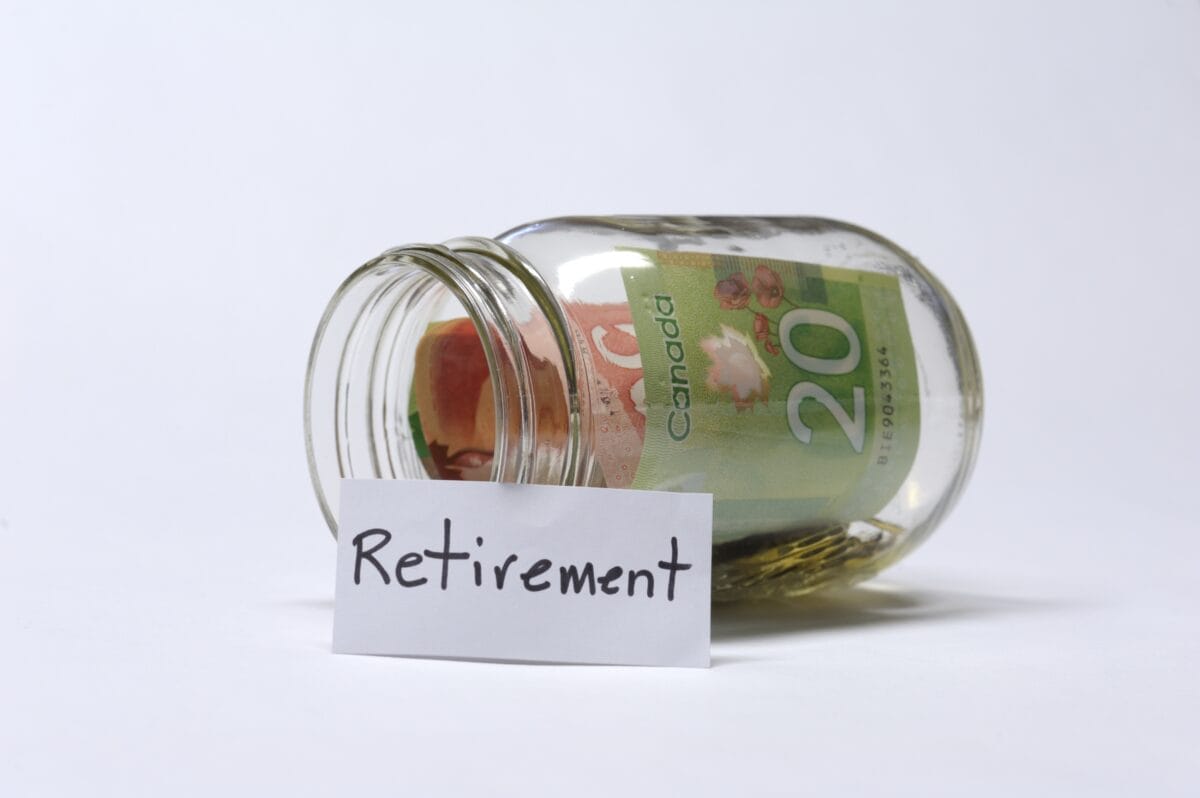
Canadian investors are taking advantage of their growing Tax-Free Savings Account (TFSA) space to build investment portfolios that can generate tax-free income in addition to their other sources of pension earnings.
Best investments for TFSA income
The TFSA limit in 2026 is $7,000. This brings the cumulative maximum contribution room to $109,000 for anyone who has qualified since the launch of the TFSA in 2009.
Canadians have a lot of flexibility when it comes to the types of investments that can be held inside a TFSA, but most who are seeking income tend to stick with Guaranteed Investment Certificates (GICs) and Canadian dividend stocks.
The right mix of GICs and dividend stocks is different for every investor, depending on the person’s need for quick access to the funds, the minimum required return, and the appetite for risk.
Tired of guessing which stocks to buy?
When our analyst team has a stock tip, it can pay to listen. After all, Stock Advisor Canada’s total average return is 98% – a market-crushing outperformance compared to 88% for the S&P/TSX Composite Index.
They revealed what they believe are 10 stocks for investors to buy right now, available when you join Stock Advisor Canada.
* Returns as of July 30th, 2026
GICs
The surge in bond yields in recent months has helped push up rates offered on GICs. Non-cashable GICs from some Canada Deposit Insurance Corporation (CDIC) members recently topped 4% for GICs in the three-year to five-year range. This is above the current rate of inflation in Canada, so it makes the GICs worth considering on a yield basis.
GICs are 100% safe as long as they are purchased from a CDIC member and are within the $100,000 limit. The downside of buying non-cashable GICs is that the money is locked up for the term and the rate is fixed. The cash isn’t available until the GIC matures, and rates can change significantly during that time, potentially leading to missed upside.
Dividend stocks
Top dividend stocks raise their distributions at a regular pace. Each increase in the payout drives up the shareholder’s yield on the original investment. This boost to income as dividends rise can help offset the impact of inflation on a retiree’s budget. Companies that hike their dividends consistently tend to also see their stock prices rise over the long run.
Stocks can be sold at any time to access money in the case of a financial emergency. This is important to consider if people need to maintain liquidity in their TFSA.
Owning stocks, however, comes with risks. The share price can fall below the purchase price and might not recover to the original level. In severe situations, a company might be forced to cut the dividend or completely halt the payouts in order to preserve cash flow. This is why it is important to consider stocks that have histories of providing steady dividend growth, even when the business goes through a rough patch.
Enbridge (TSX: ENB) is a good example of a Canadian dividend stock that consistently raises its dividends. In fact, Enbridge hiked the payout in each of the past 31 years. This occurred even as the company endured major upheavals in energy markets and volatility in interest rates.
Enbridge has the financial clout to grow the business through strategic acquisitions and development projects. The company purchased an oil export terminal and three natural gas utilities in the United States in recent years to diversify its assets. This expanded the revenue stream while adding more exposure to opportunities in the American market.
The current $41 billion capital program is spread out across the various business groups and is expected to help drive distributable cash flow higher by about 5% per year over the medium term. That should support ongoing dividend increases. Investors who buy ENB stock at the current price can get a dividend yield of 5.6%.
The bottom line
Canadian TFSA investors can quite easily put together a diversified portfolio of GICs and dividend stocks to get an average yield of 4% today. On a TFSA of $109,000, this would generate $4,360 per year in tax-free income. That works out to more than $363 per month.